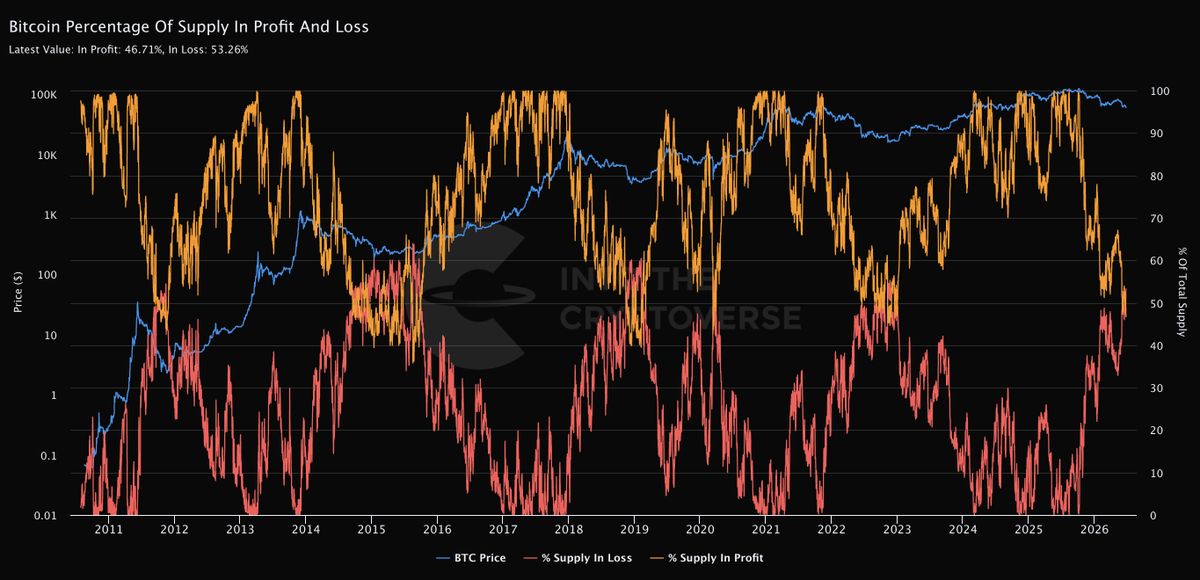
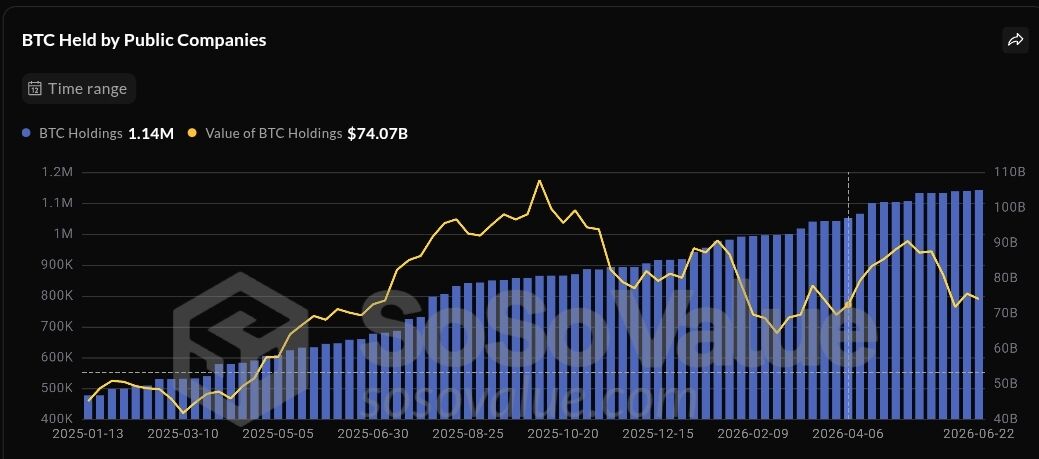
Bitcoin’s monetary policy is simple: a fixed supply of 21 million coins. That means Bitcoin will remain volatile - today, tomorrow, and far into the future.
It will be volatile after the Clarity Act, after it appears on central bank balance sheets, after it becomes a dominant global monetary asset, and even after billions of people own it.
Why?
Because unlike central banks, Bitcoin has no mechanism to expand or contract its supply in response to changing economic conditions.
As liquidity and capital in the economy grow, Bitcoin adjusts through price rather than supply.
Markets then do what markets always do: investors become euphoric and push the price above fair value. Eventually, the market corrects. Sometimes it overshoots to the downside as panic takes hold, before recovering and beginning the cycle again.
Over time, this volatility will decline as the market matures and the share of retail-driven trading becomes smaller relative to long-term and institutional ownership.
20 reposts 20 replies 337 likes
|
|